Application goal
Write the apparel problem first: movement that needs recovery, a wet-weather layer, or a shell that must stay readable under abrasion. A broad request for schoeller dynamic fabric does not yet say which behaviour matters.
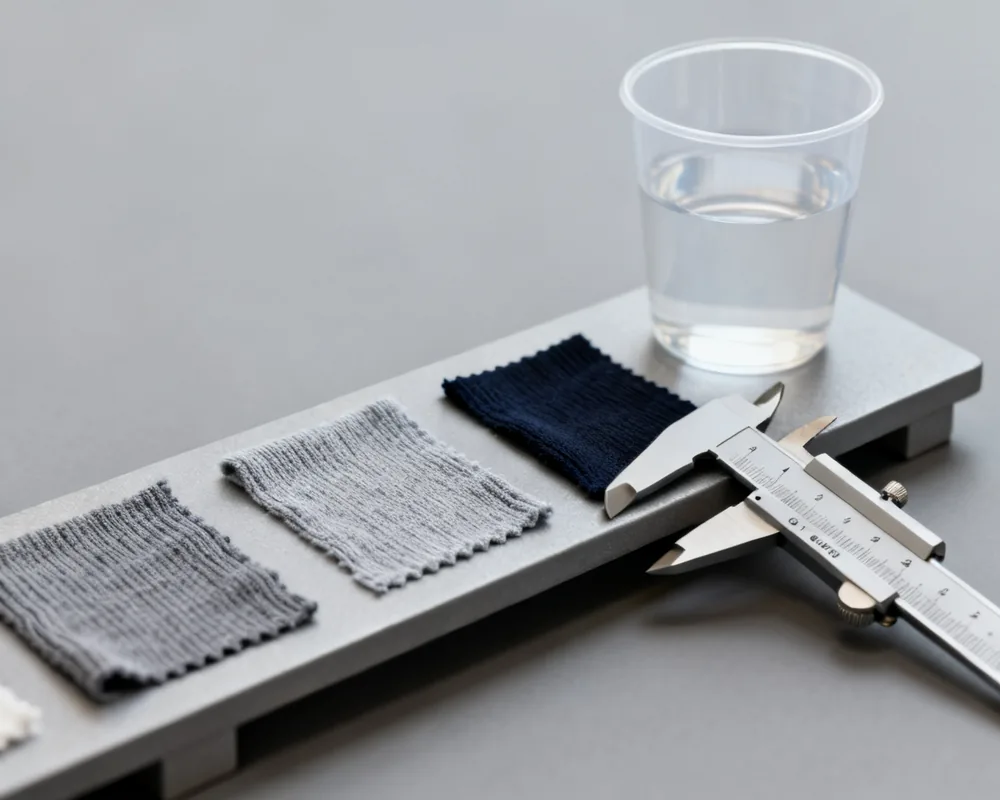
Evidence before comparison
Write the apparel problem first: movement that needs recovery, a wet-weather layer, or a shell that must stay readable under abrasion. A broad request for schoeller dynamic fabric does not yet say which behaviour matters.
Then name yarn, knit or weave, and any finish only when that finish belongs to the referenced material. Schoeller wool and a coated face cloth are different conversations, even when both sit in an outdoor wardrobe. A wool-rich route and a synthetic stretch route trade handle and moisture uptake against recovery and drying. That is a selection tradeoff, not an environmental ranking, and it still needs a physical cutting.
Agree the next sample review before anyone treats a target as a result. Hand, shade and a method-specific report can share a table, but they do not substitute for one another.
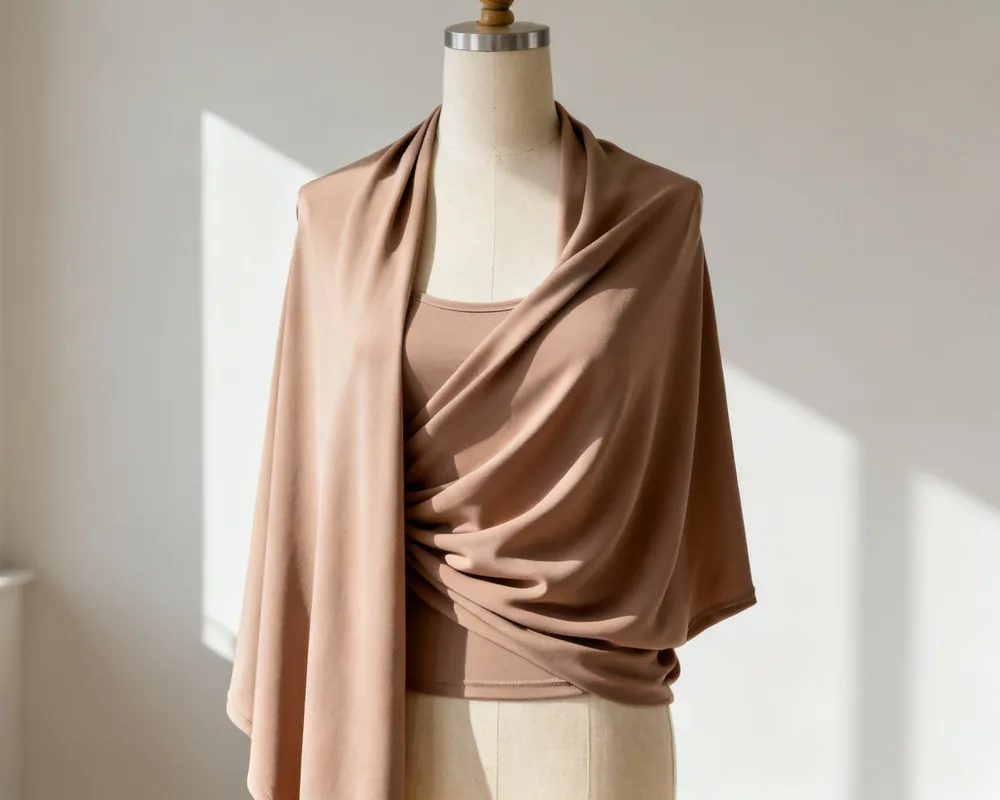
Start with the garment zone, the expected stretch direction and the care cycle. A dated reference specimen is more useful than a mood image when the hand has to survive bulk approval.
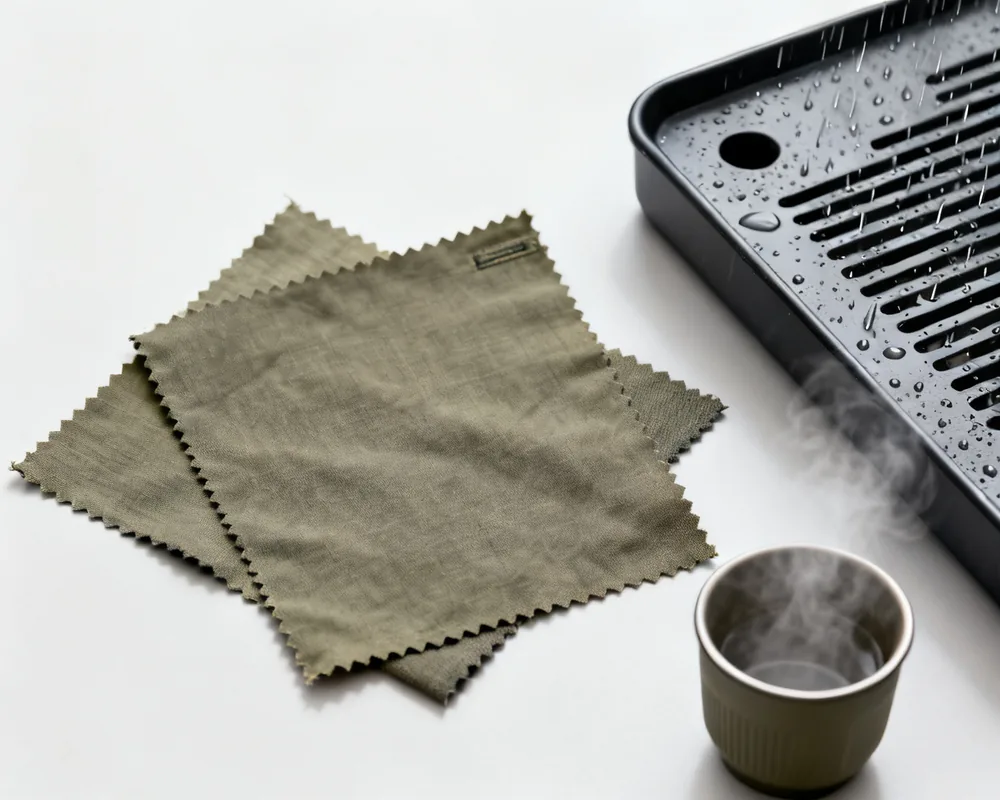
Liquid resistance and vapor movement need separate methods and separate specimen notes. An outdoor end use does not, by itself, describe a coating or a laminate.
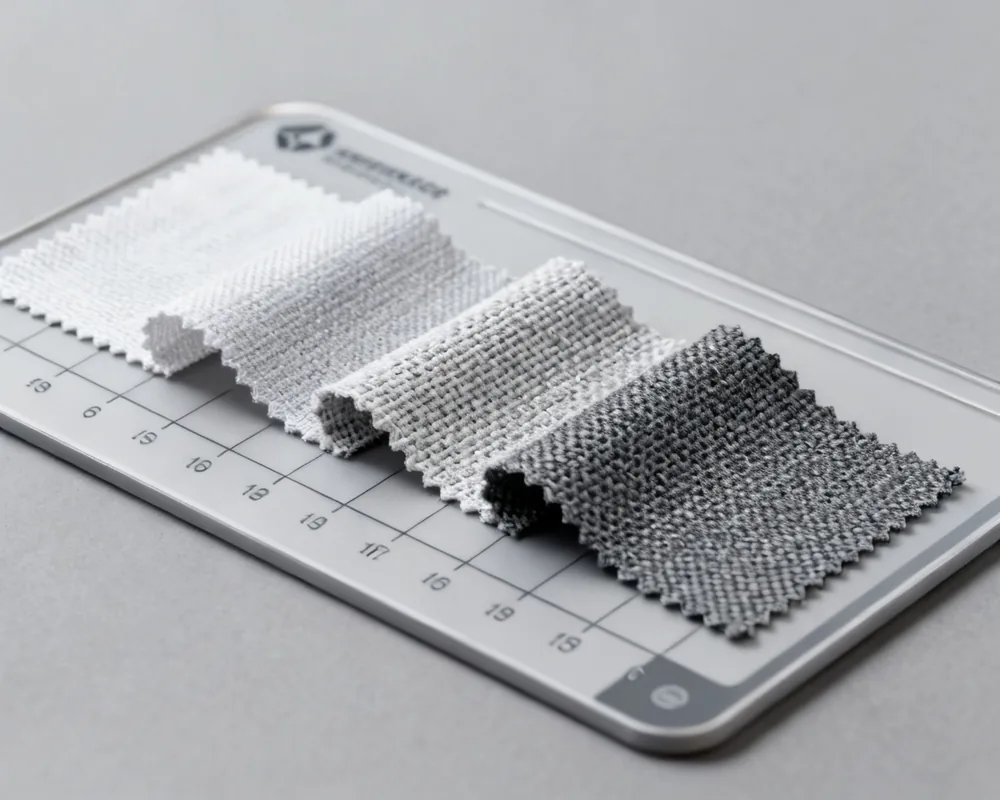
Protective and industrial textiles stay on their own brief. Flame, cut or chemical questions are not inferred from an apparel stretch program.
| Field | Target question | Evidence question |
|---|---|---|
| Composition | Which fibre blend is actually proposed for this apparel or protective item? | Which declaration, and for which lot, supports that blend? |
| GSM | What mass per square metre, with what tolerance, fits the pattern? | Which specimen state and which method produced the figure under discussion? |
| Usable width | How much cuttable width remains after the selvedge is set aside? | Is the width a roll agreement or a single cutting measurement? |
| Finish | Is a surface treatment, membrane or none of those part of this reference? | Does the sample state match the finish that would be reviewed for durability? |
Mass per unit area leaves construction, recovery and finish undescribed. Two schoeller textiles at a similar GSM can still differ in yarn, knit structure and the way a surface treatment sits on the face. Write the unit beside any figure: woven mass is often ISO 3801 and is still g/m². A 100 cm² piece at 1.52 g is 152 g/m² by arithmetic, not a cloth offered here. Composition shares should sum to 100% by mass, and ISO 1833-1 is one blend method. Hydrostatic pressure (ISO 811) and water-vapour resistance (ISO 11092) stay on separate lines. If a report cites a standard atmosphere, ISO 139 is commonly read as 20 °C and 65% relative humidity. None of those identifiers is a measured Schoeller result.
Send a dated reference if you have one, plus composition, construction, usable width and the garment or protective job. Shade, hand and any named finish such as a coldblack or dryskin reference stay as questions until a material-specific record is attached.
Only after method, version, conditioning and scope match. Water resistance and water vapor transmission describe different behaviours. A report written for one finish state does not travel to another construction.
Explain what the current construction needs to change, and which review would show that the change happened.
What needs to improve, and how will it be reviewed?Discuss your fabric requirements